Transform Your Digital Content with This Canva eBook Template
Creating a professional-looking digital book used to require advanced software skills and a significant time investment. For bloggers and course creators, the goal is to share knowledge, not wrestle with complex design programs. A well-structured template changes the entire process, turning it from a technical challenge into a straightforward act of assembly. This 30-page eBook template for Canva is built for exactly that purpose. It provides a complete framework, allowing you to focus entirely on your message while the design ensures a polished, cohesive result.
A Complete Toolkit for Rapid Publication
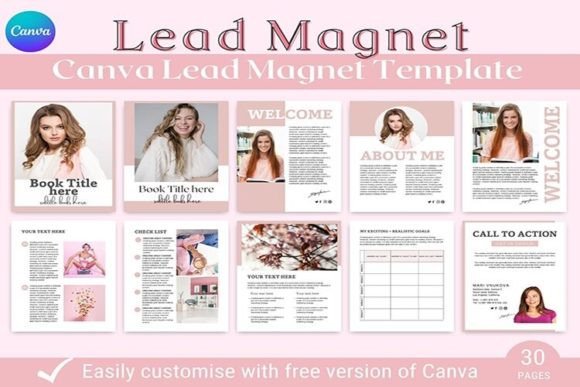
What makes this particular template set so effective is its comprehensive nature. It’s not just a collection of random pages; it’s a logical sequence designed to guide your reader from cover to cover. The package includes everything needed to construct a full narrative or reference guide. You’ll find two distinct cover page variations to set the right tone, followed by two options for a table of contents that establishes clear navigation. Two welcome pages let you introduce your material, and two author pages help build your credibility and personal brand connection.
The core of the template is its versatility. With fifteen content pages and three chapter divider pages, you have ample space to break down complex topics. The layout options within those content pages likely range from full-text layouts for deep dives to grid-based designs for showcasing images, lists, or step-by-step instructions. This variety is crucial for maintaining visual interest and preventing reader fatigue. Finally, two dedicated call-to-action pages are strategically placed to drive a specific outcome, whether that’s visiting your website, joining a community, or exploring a related course.
Designed for Clarity and Brand Consistency
The visual personality of this template leans toward clean, modern professionalism. It avoids overly decorative or trendy elements that might date quickly, opting instead for a timeless structure. The use of US Letter size (8.5″ by 11″) makes it immediately familiar and printable for anyone in North America, while also functioning perfectly as a digital PDF. The design likely employs a balanced typographic hierarchy, using a combination of serif and sans-serif fonts to differentiate headings from body text, ensuring excellent readability on screens of all sizes.
This aesthetic makes the template incredibly adaptable. It can feel authoritative and corporate for a business guide, yet approachable and friendly for a lifestyle blog’s lead magnet. The neutral style acts as a blank canvas, allowing your own brand colors, images, and unique voice to take center stage without clashing. This is the mark of a good design asset—it supports your content rather than competing with it.
Practical Applications Beyond a Simple PDF
While its primary function is to create a downloadable eBook, this template’s utility extends much further. For course creators, it’s perfect for developing supplemental workbooks, cheat sheets, or module summaries that add tangible value to a program. Marketers can repurpose blog post series into a comprehensive guide, using the call-to-action pages to funnel readers toward a new product or service. The template structure is also ideal for creating internal company handbooks, client onboarding materials, or workshop manuals.
The real power lies in its use as a lead magnet. A beautifully designed, information-rich eBook is one of the most effective tools for growing an email list. It offers genuine value in exchange for a subscription. With this template, you can produce that valuable asset in a fraction of the time it would take to design from scratch. The professional appearance immediately elevates the perceived value of your offer, building trust with potential subscribers before they’ve even read a word.
Maximizing the Template in Canva
Getting the most out of this resource involves a few strategic steps. First, before you begin writing, map your content to the available pages. Decide which cover variation best reflects your topic and plan where the chapter dividers will create natural pauses in your narrative. Use the table of contents pages not just as a list, but as a preview of the value each section holds.
When customizing, maintain visual consistency. Choose two to three brand colors and apply them to headings, accent graphics, or background tints throughout all thirty pages. Stick to one or two font pairings—one for headings, one for body text—to preserve the clean hierarchy the template provides. Replace placeholder images with high-quality photos or illustrations that align with your content and brand. Finally, test the flow. Read through the entire document as if you were the audience, checking that the progression from introduction to core content to call to action feels logical and compelling.
This 30-page eBook template for Canva is more than just a set of pre-designed pages. It’s a production shortcut that democratizes professional publishing. It removes the design barrier, allowing creators, entrepreneurs, and educators to package their expertise into a polished, functional, and engaging format that builds authority and grows their audience. The focus shifts from “how to make it look good” to “what valuable knowledge can I share next.”