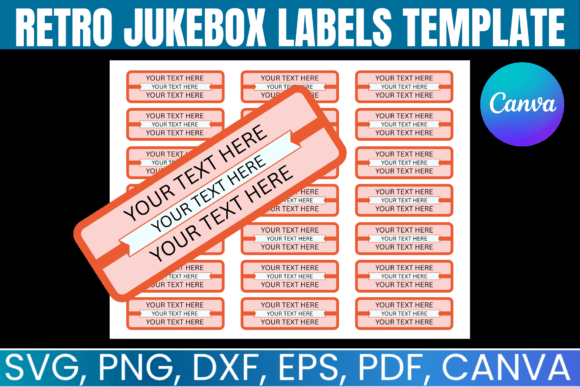
Editable Retro Jukebox Labels Template: Instant Nostalgia
There's a specific kind of magic in the warm glow of a diner booth or the polished wood of a home bar. It’s a feeling of escape, a step back into a time when the music was loud, the milkshakes were thick, and a single coin could buy you three minutes of pure joy. That feeling is built on details, and one of the most iconic is the jukebox label. Now, you can capture that authentic, retro charm for your own space with an Editable Retro Jukebox Labels Template. This isn't just a static image; it's a dynamic design asset built for creators who want to blend classic aesthetics with modern, easy customization.
The Anatomy of Authentic Retro Style
What makes a retro jukebox label so visually compelling? It’s a carefully crafted blend of typography and graphic design that screams mid-century cool. The core of the Editable Retro Jukebox Labels Template is its typography. You’ll often find a bold, condensed display font for the song title—think classic diner signage—that demands attention. This is frequently paired with a complementary serif font or a stylish script font for the artist's name, adding a touch of elegance or handwritten flair. The color palettes are intentional, leaning into warm tones like cherry red, mustard yellow, teal, and cream, often with subtle textures or halftone dots to mimic aged printing. This combination creates a powerful visual hierarchy that is instantly recognizable and emotionally resonant.
This template provides the authentic visual language of the era. The personality is confident, nostalgic, and a little bit playful. It’s the design equivalent of a perfectly curated vinyl collection. The overall appeal lies in its versatility. It’s not a one-note novelty; it’s a sophisticated design asset that can anchor a themed event, elevate a brand identity for a retro-inspired business, or simply bring a smile to your face in your personal space. The included Canva file is the game-changer here, transforming this from a static premium font graphic into a living, breathing part of your creative toolkit.
Practical Applications: From Home Bars to Business Branding
So, where does this template truly shine? Its strength lies in projects that aim to evoke a sense of history, authenticity, and curated cool. For entrepreneurs and small business owners, this is a goldmine. Imagine a craft cocktail bar using these labels not just on a decorative wall jukebox, but as the actual menu design for their signature drinks. A boutique burger joint could use them for table numbers or weekly special boards. The template’s compatibility with cutting machines like Cricut and Silhouette means you can produce professional-grade physical items—decals, signage, and more—that feel genuinely bespoke, strengthening your brand identity through consistent, thematic details.
For designers, marketers, and content creators, the applications in digital and print are extensive. This template is a powerhouse for social media graphics. Create a series of posts highlighting a "Song of the Week" or a curated playlist for your brand, using the jukebox label as a visually engaging frame. In editorial design, it can be used for magazine features on music history, vintage lifestyle, or restaurant reviews. Bloggers and publishers can use it to break up text, add visual interest to a music-themed article, or create downloadable printables for their audience. Even in packaging design, a label like this could be the perfect touch for a specialty food product, a craft beer, or a music-related subscription box, instantly communicating a retro-modern vibe.
Working with the Template: A Designer's Guide
Getting started is intentionally simple, but a few professional insights can maximize your results. The first step is always evaluation. Before you dive into customization, consider your project's core message. Is the tone playful and whimsical, or more sophisticated and nostalgic? The template's style leans classic, but by adjusting the color palette—swapping vibrant reds for muted earth tones, for instance—you can steer its personality. This is where your understanding of modern typography comes in. The template provides the foundation, but your choices in color and final placement determine its success.
A critical step is testing font pairings if you plan to use the label alongside other text in a larger design. The bold, decorative nature of the jukebox label’s main font means it pairs best with clean, simple sans serif fonts for supporting text. Using another complex or ornate typeface nearby will create visual clutter and undermine the readability and impact of your label. Think of it as a star performer—it needs a clean stage. The included file formats (SVG, PNG, DXF, PDF) offer flexibility. Use the PNG with a transparent background to layer the label over photos or complex textures in any design software. The PDF with a solid white background is perfect for direct, high-quality printing.
Finally, remember the licensing. This template is designed for commercial use in creating physical items and digital displays for your business. You can make products to sell, like printed labels or decals, which is a fantastic opportunity for crafters and entrepreneurs. However, the digital files themselves cannot be shared or resold. This is standard practice for protecting design assets and ensures you have a unique tool. By treating the Editable Retro Jukebox Labels Template not as a finished product but as a versatile component in your creative process, you unlock its full potential to add authentic, engaging, and professionally styled retro flair to any project.